Full-Assed Friday guest post: DIY MFA

Hey. It’s Full-Assed Friday. I have a guest post today- sweet!

I have the incredible good fortune to be in two excellent writers groups. You’re probably wondering how that happened, but all I will say is it may have involved sacrificing a chicken or possibly a goat; beyond that I’m not revealing any secrets.

If you’re a writer- and lots of people hanging out in the blogosphere are- and you don’t have the good fortune to be in an excellent writing group, you’ll want to pay special attention to today’s guest post by Gabriela Pereira. She’s Full-Assed for many reasons: she’s a fantastic writer, she is a lovely human being, she is an excellent teacher, and she launched two gigantic projects simultaneously: her DIY MFA program, and a baby. The baby hasn’t shown up yet, but that’s okay, he’s not supposed to be here for a little while longer.

I asked Gabriela to put together something that I could post here on my blog about DIY MFA because I think what she’s doing provides a great service for writers who want to get better but, for a bajillion reasons, don’t fit with an MFA program. She’s got a lot of stuff going on at her blog, and next week she’s doing a free Webinar, so check it out.

Here’s Gabriela.

Have you ever wanted to do a Masters Degree (MFA) in Creative Writing but just… couldn’t? There are tons of reasons why MFA programs are out of reach for many writers. Sometimes it’s because they live somewhere far from any writing programs and they can’t exactly up and move their entire family just so they can go back to school. Or maybe the MFA programs are just too darn expensive. And let’s be realistic, here: it’s not like a higher degree in writing guarantees anyone a job when they graduate. Or maybe writers want to write in a genre or category that’s not represented by most MFA programs. After all, the ivory towers love literary fiction, but when it comes to romance or thrillers or YA or anything commercial… not so much.

This was why DIY MFA came about: to bridge the gap between graduate-style study in writing and writers who don’t have access to it. The idea behind DIY MFA is that all forms of writing can be approached in a scholarly manner and that you can get the same benefits you would get from graduate school but without the big price tag and rigid requirements.

Who is DIY MFA for?

DIY MFA does not discriminate against writers based on where they are on their journey or what they have chosen in terms of genre and writing style. We embrace our differences and take pride in the diverse backgrounds and outlooks of our writers. At DIY MFA, being different is not a disability. It’s a strength.

There is only one requirement, one common thread ties all DIY MFA writers together. Every writer participating in DIY MFA is serious about becoming a stronger writer, making writing a priority, and having fun with the creative process.

Why Do-It-Yourself?

The core belief of DIY MFA is that no two writers will share the exact same path, that you can’t shove a writer into a cookie-cutter system and expect them to grow creatively as artists. Rather, with DIY MFA each writer will create a personalized plan that fits his or her needs, which in turn empowers writers to take ownership of their writing journey.

Taking responsibility for our writing can be terrifying, but the do-it-yourself part of DIY MFA is crucial to each writer’s success. When you take ownership of your writing education, not only do you become a more empowered writer, you also create a writing life that’s sustainable for the long term. A prescribed plan is great and might even work for a short while, but over time writers will lose energy, maybe even quit. DIY MFA is about constantly reevaluating and reinventing your writing life so that it works for you for as long as you want to write.

How does DIY MFA work?

Because I did an MFA myself, I spent a lot of time researching and comparing writing programs. What I discovered was that MFA programs–despite being at very different schools, with different philosophies–have certain threads in common. Regardless of the many differences, all MFA programs essentially boil down to one simple formula:

Reading + Writing + Workshop + Community = MFA

The idea behind DIY MFA is to help writers build this equation into their lives without depending on a school structure. All four essential components of the traditional MFA are things that writers can cobble together on their own or collaborating with other writers. You don’t need to go to graduate school to get these benefits. In other words, DIY MFA shows writers how to:

(1) Approach literature like a writer to get the most out of reading,
(2) Explore both craft and creativity through writing,
(3) Give and take critique in a workshop setting,
(4) Build a community of like-minded writers.

How to join:

The easiest way to dive into DIY MFA is to follow the blog: DIYMFA.com Each week, I focus on one topic in DIY MFA, with longer posts on Mondays and Wednesdays and a short prompt on Fridays.

Don’t have time to read blogs during the week? No problem! The DIY MFA weekly newsletter Writer Fuel sends a round-up of the week’s posts (as well as other goodies) straight to your inbox every Friday afternoon. Just in time for your weekend writing sprints. You can join the mailing list, and when you do you’ll not only get Writer Fuel each week, you’ll also get a free workbook download–Jumper Cables–when you sign-up.

And next week, we have an extra-special DIY MFA event happening: I’m offering a FREE Webinar!

7 Ways to Boost Your Writing
Wednesday, Nov. 16
1:00-2:00 pm ET
To Register and for more information, visit the webinar page.

Gabriela Pereira

As for me, I’m Gabriela Pereira, and I’ve spent a lifetime telling stories, writing them down and helping other writers put the pen to paper and express their ideas. Having grown up bilingual, I know how important it is for writers to express themselves in their unique voice and to build a writing life that is all their own. I’ve been many things in my life: a writer, a teacher, even a toy designer. Now with DIYMFA I am the instigator, the one who lights the first match, but it’s up to you to fan the flame. I hope you will join me on this journey.

Connect with me at DIY MFA:

Twitter: @DIYMFA
Facebook: http://www.facebook.com/DIYMFA
Web: DIYMFA.com

To Those about to write, I salute you. To everyone else, I suggest you stay out of our way.
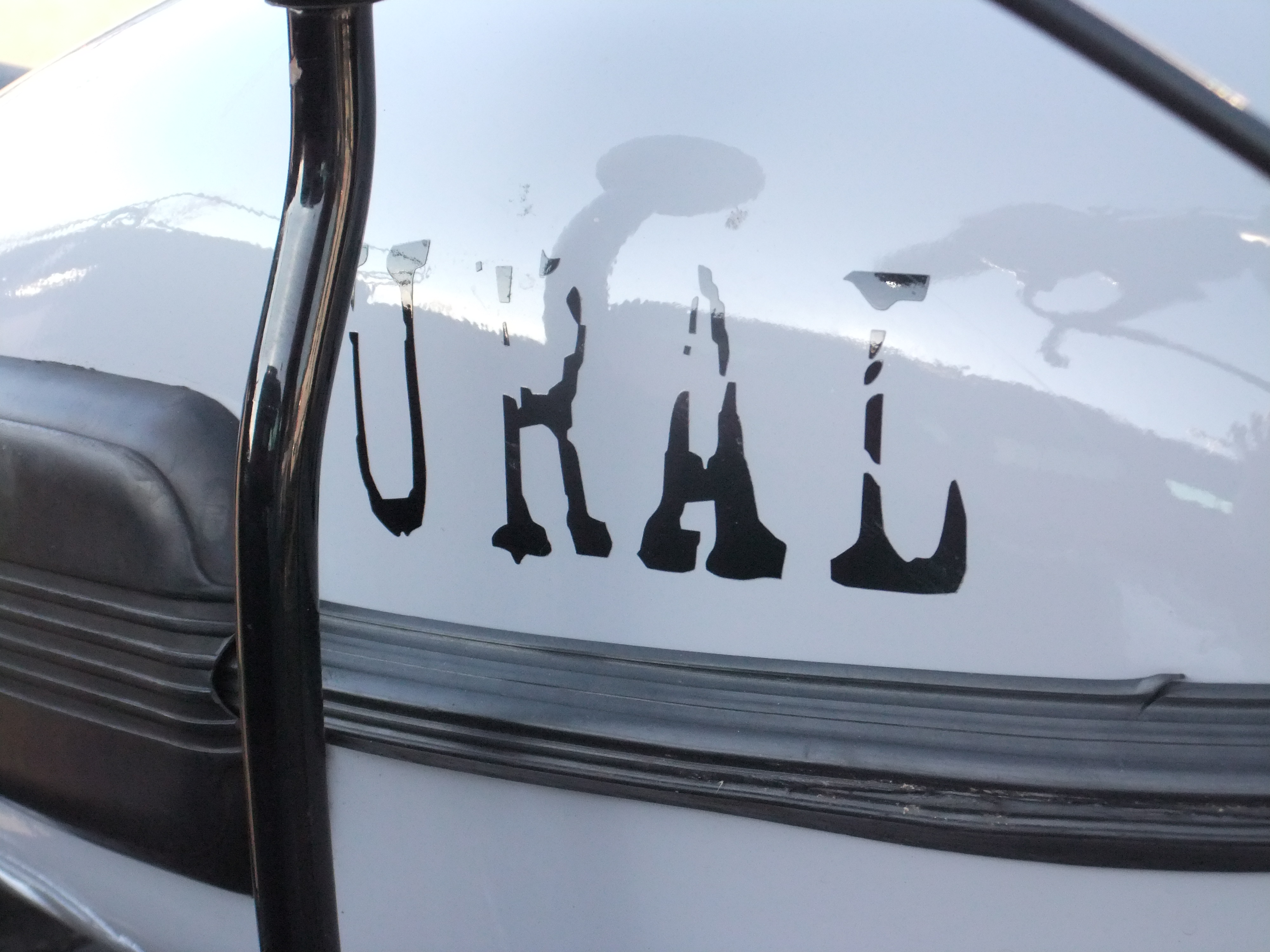
Full-Assed Friday: Ural

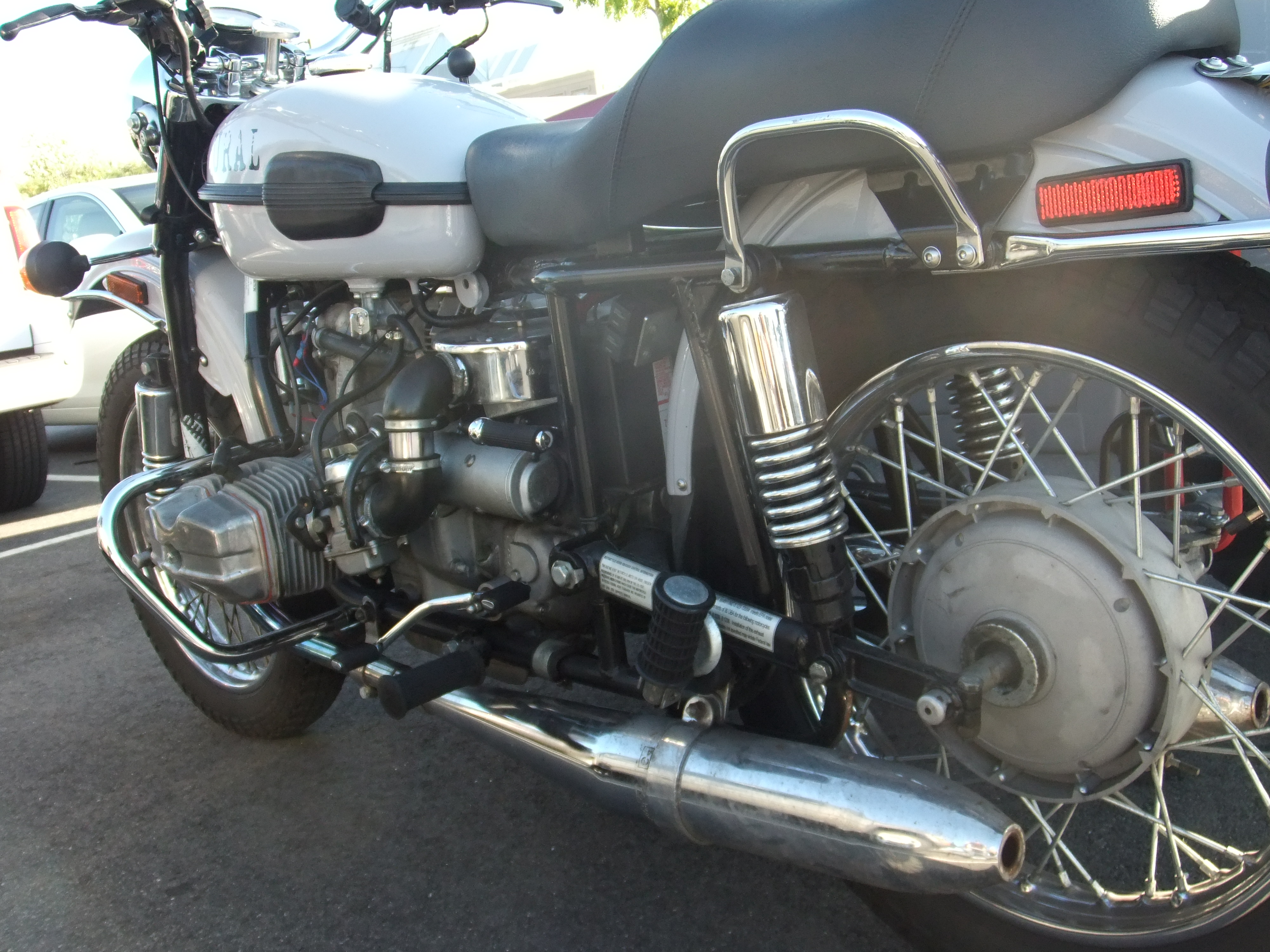
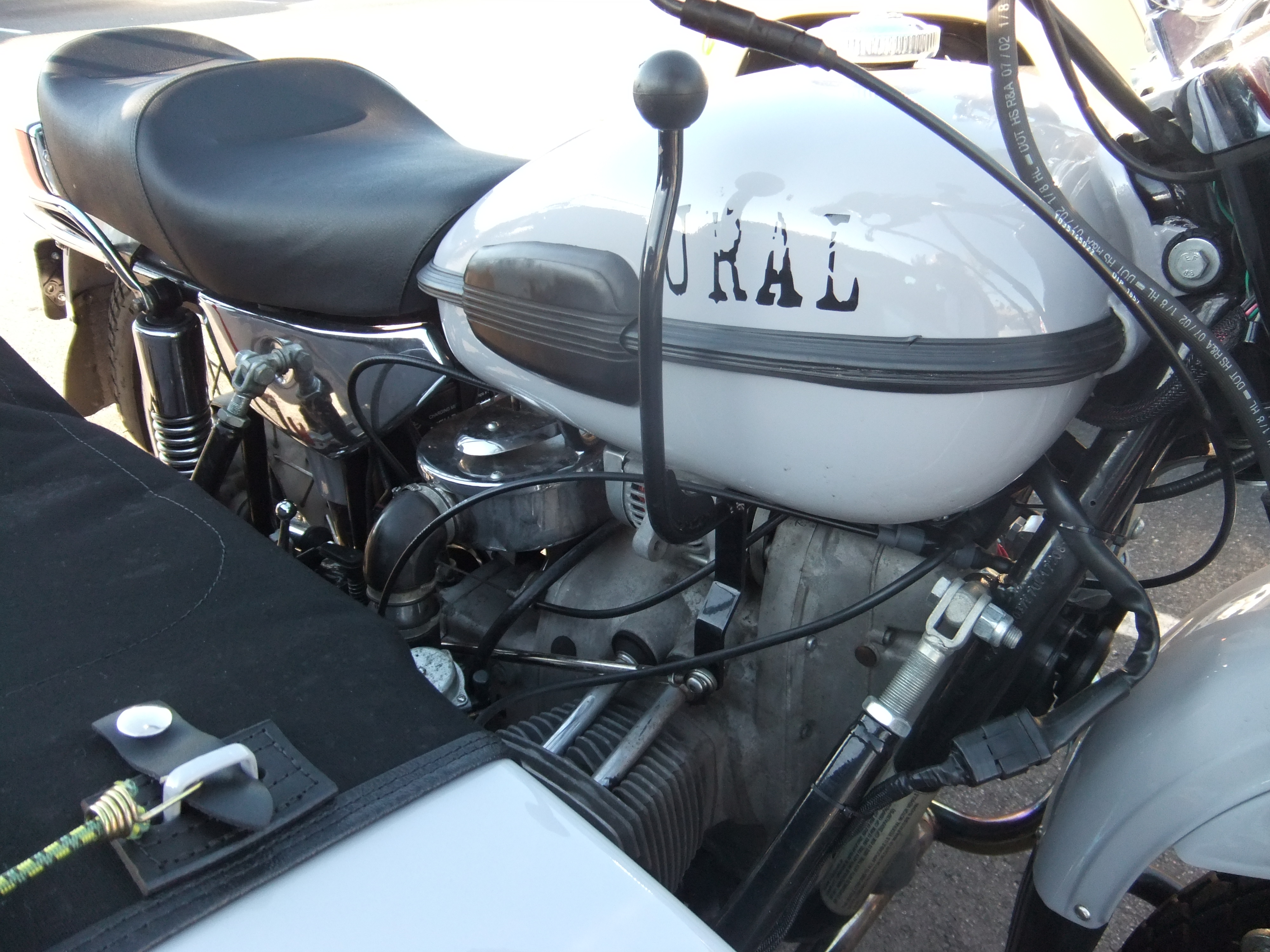
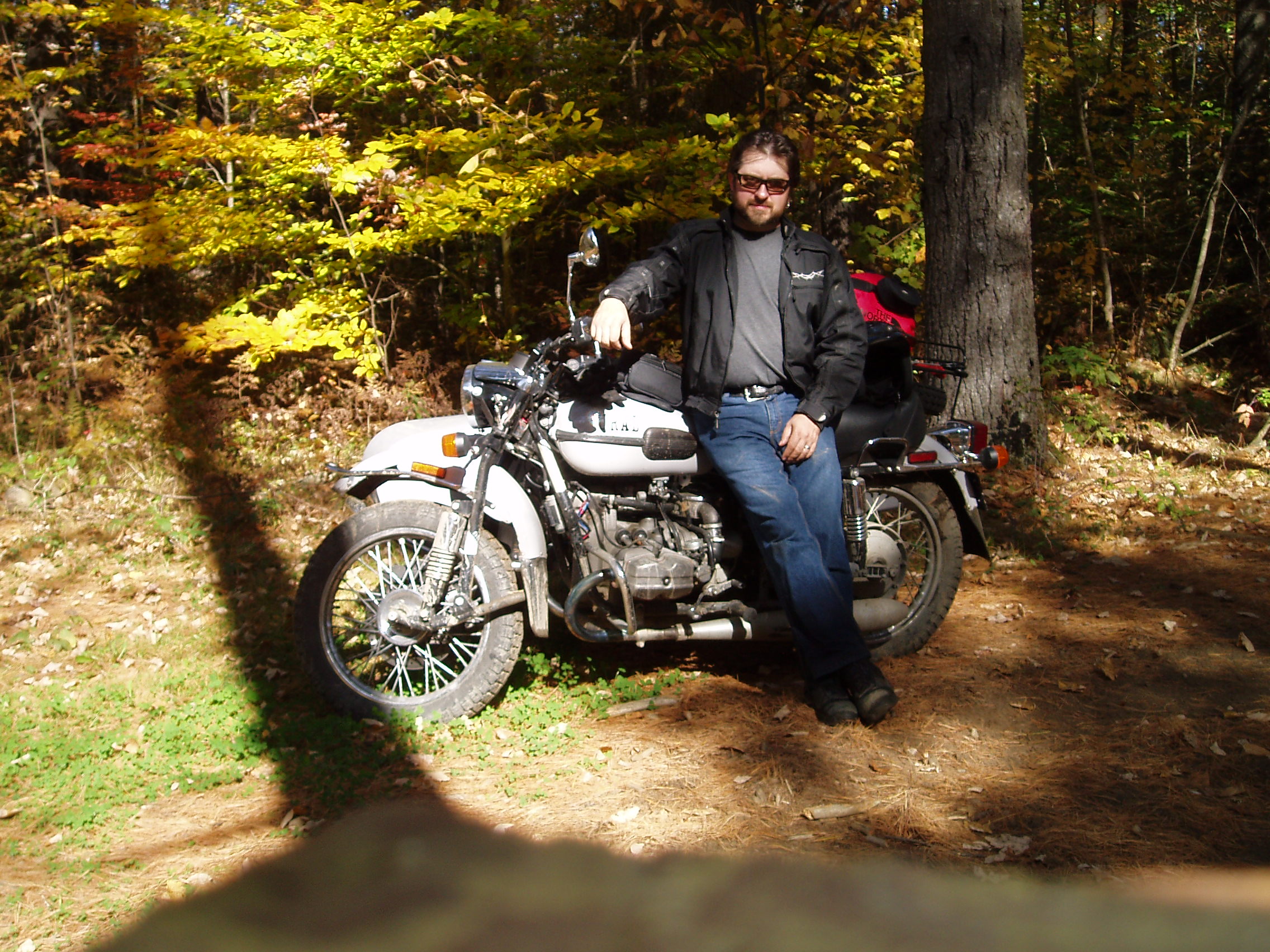
My friend Jason drives a Ural.

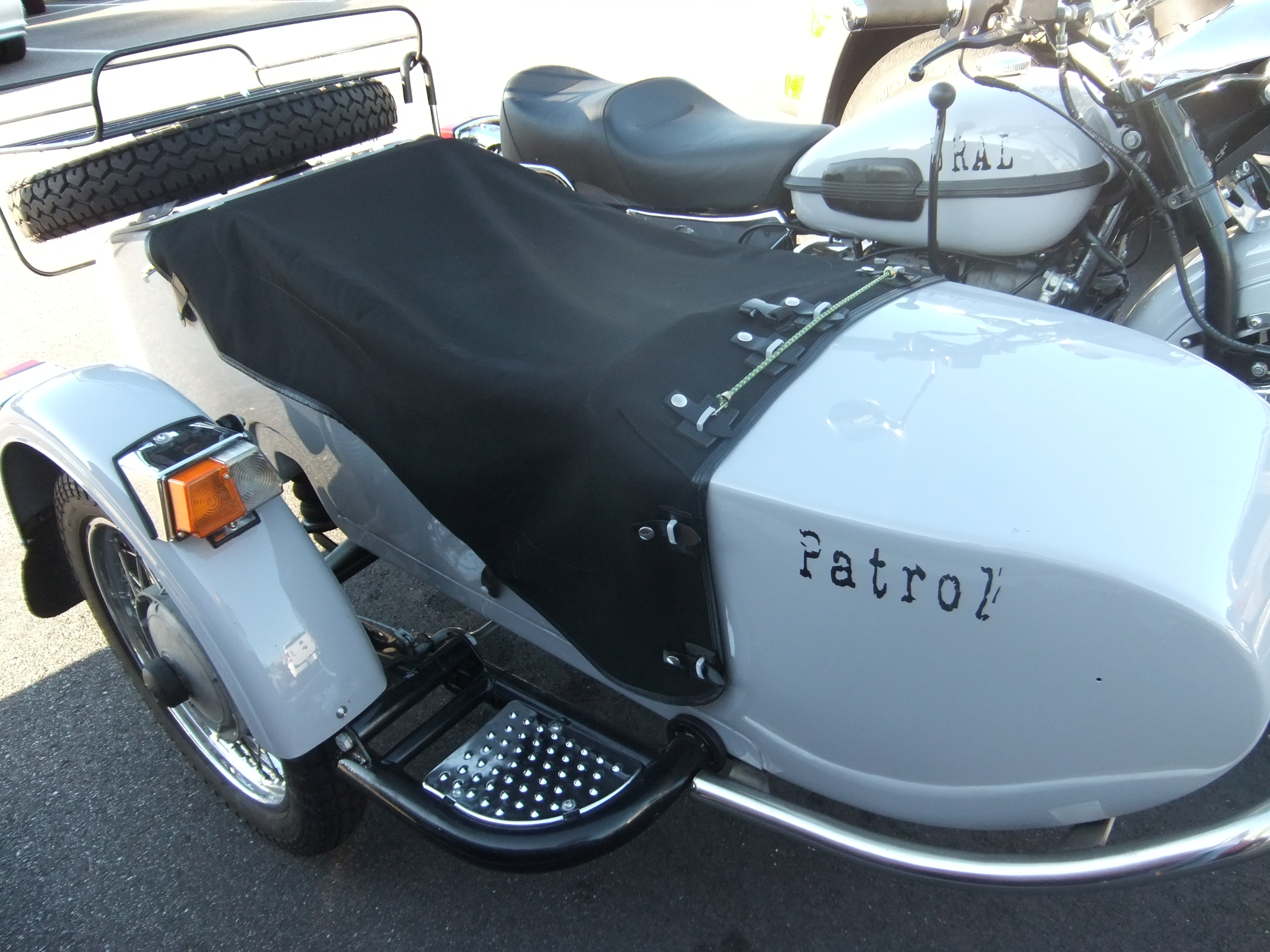
A Russian-designed sidecar motorcycle. That he commutes to the city in.

Really.

I think it’s badass, and therefore a fine candidate for Full-Assed Friday.

Jason was kind enough to meet me between shows on a Wednesday and for the small bribe of a grande triple-shot iced vanilla latté, talk to me about his Full-Assed commuter vehicle.

So. Why a Ural?

Well, first of all it’s cool. But when my wife and I moved to New Jersey we thought we were going to need a second car. I knew it would be a beater and I was going to end up being the one who drove it, so I suggested this instead, because you can pretty much drive them year-round.

What’s the history of the Ural?

Supposedly in about 1940, before the Nazi invasion of Russia, Stalin’s engineers got ahold of five BMW R71’s from Swiss intermediaries. They reverse engineered them and made the Ural. They were manufactured in Leningrad until the mid 1940’s, when production was moved to a town called Irbit, in the Ural mountains. They were purely for military use until the 1950’s and then they began making consumer models, but still only for sale in the Soviet Union. They gradually began to export them to European countries, but it wasn’t until after the collapse of the Soviet Union- somewhere around ’91 or ’92- that they began to export them to the US. Today the US is the largest importer of them in the world.

How has the design changed over time?

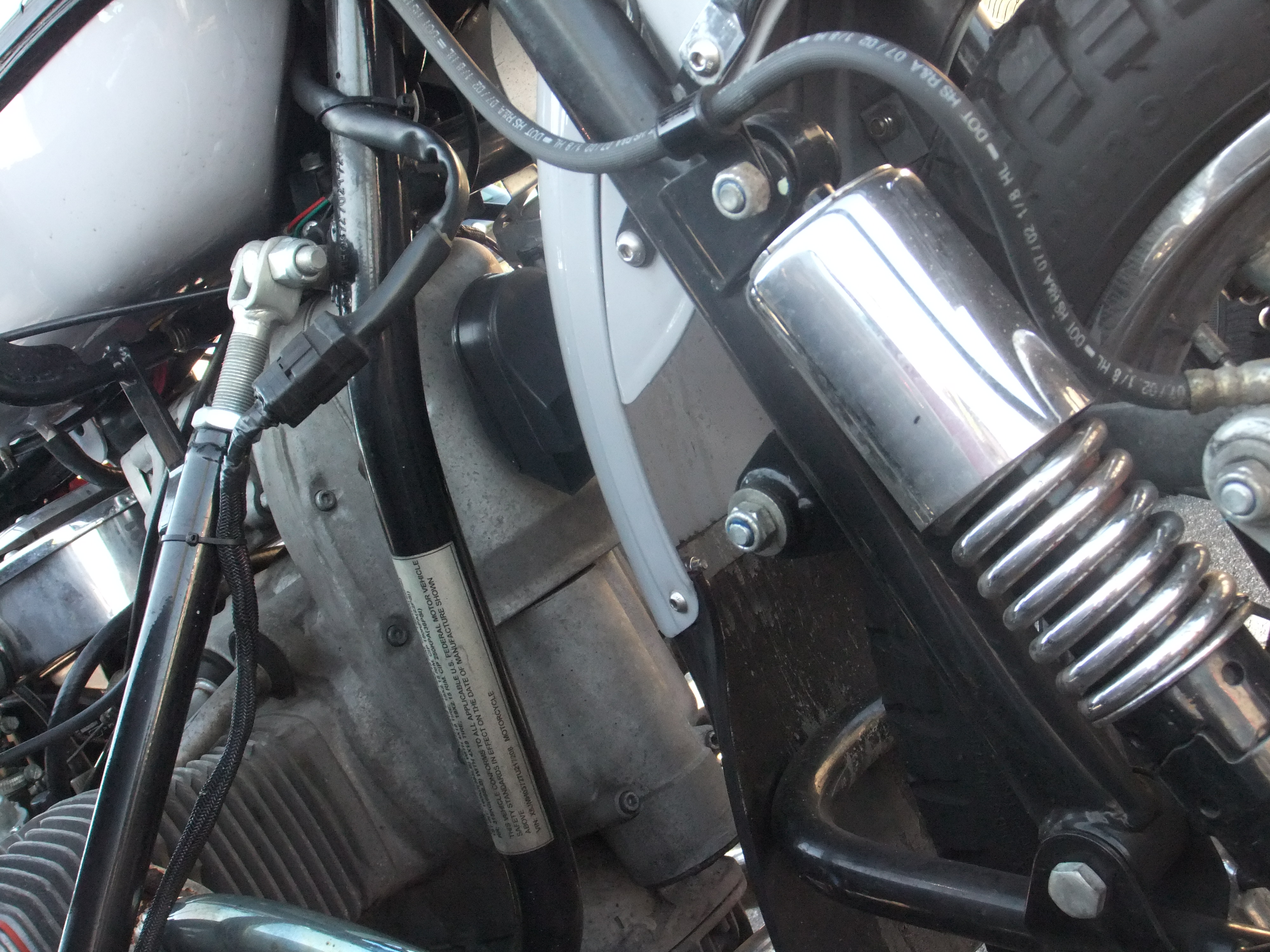
The only significant change is they upgraded the electrical system on the newer models. It has an electric start now, which it didn’t used to have, but it still has the old kick start. It has an Italian alternator now- a Denso- and a disc brake on the front. The metallurgy is better, just from the evolution of metallurgy. Other than that it’s the same bike.

What model do you have?

Mine is a 2007, which I bought at Adirondack Ural. There aren’t very many of these around, and so not many people that deal with them. It’s more like an ATV that you can ride on the street than a motorcycle. Because they’re so unique and uncommon, it tends to be a pretty eccentric group of people who ride them. There’s an online community of Ural owners who are a wealth of information. They’re the ones who made it possible for me to get the bike back on the road after my accident.


Tell me about your accident.

I was stopped, facing a van in a turn lane. We were both making opposite left turns. Everything looked clear and I went but a car came flying from behind the van right at me. The car hit my sidecar side, I flew off, and then the bike flipped. I wasn’t hurt.

I got zero help from my insurance company, but everybody on site was great. The guy that hit me and another witness got out and helped me right the bike and move it off the road, out of the spewing gasoline.

How did the people in the online community help?

They basically made it possible for me to do the repairs. There just aren’t many people who know how to service Urals, so you really rely on the community. I didn’t have the mechanical knowledge before this, and with their help I did everything except the body work.

It is normally a high maintenance kind of bike?

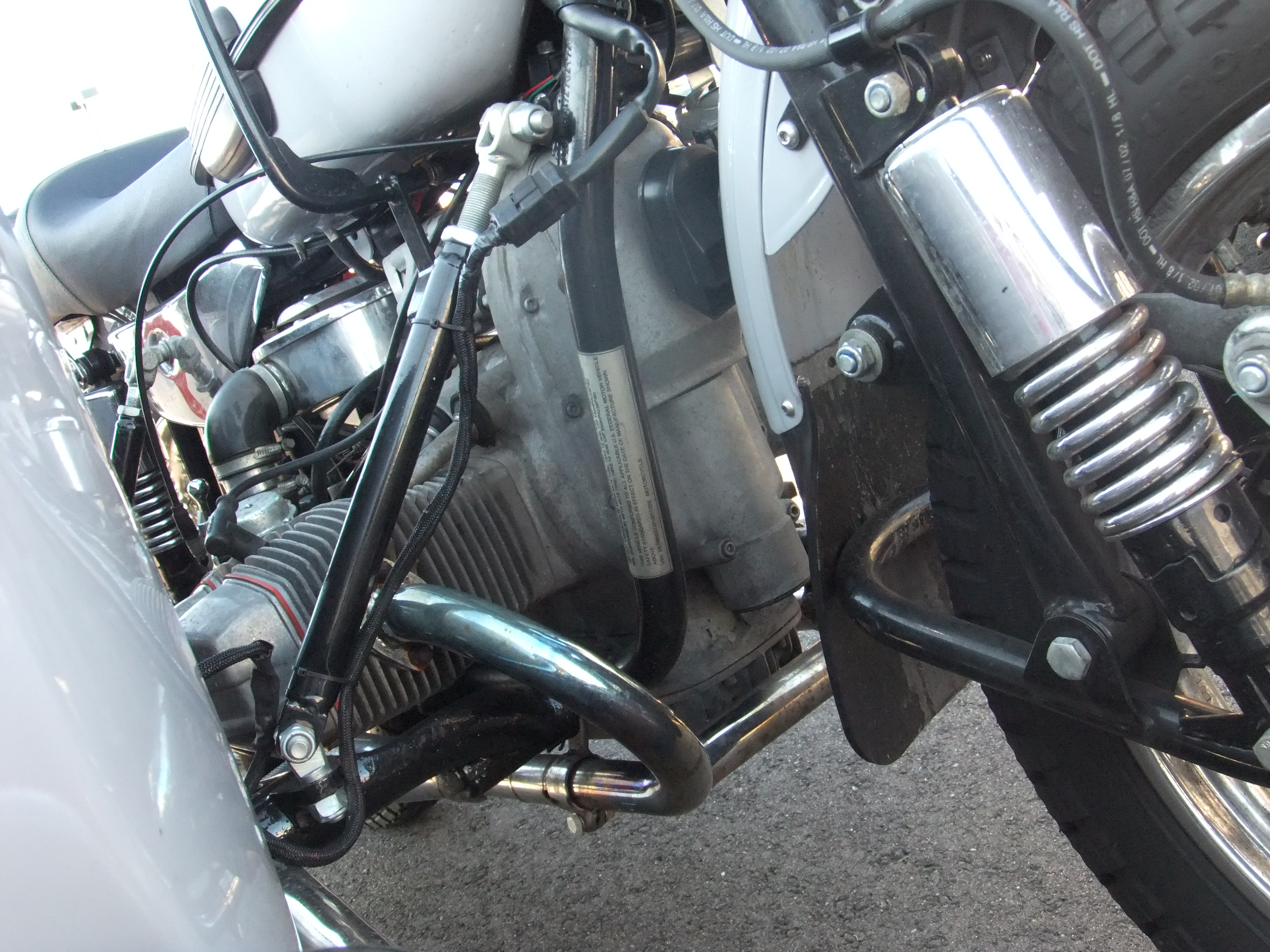
Definitely. It will run pretty much all the time, but in order for it to run well you have to do a lot of tinkering. The good thing is that you can fix it. A Ural comes with a set of tools and you can do just about any mechanical repairs or tweaking on it that you need to with these tools. That’s a big draw to a Ural. It was designed for soldiers to ride, and they needed to be able to fix it in the field while being shot at. It’s so simple it’s like a giant lawnmower.

What’s the draw to motorcycles for you?

I grew up with them. My grandpa was a biker. I rode a motorcycle before I rode a bicycle. I started on motorcycles at age five and didn’t ride a bicycle until I was about thirteen.

What kind of motorcycle did you have at age five?

It was a Suzuki RM50 that belonged to my neighbor. We were in Detroit and moved out to the country when I was five, and my neighbor was a big Motocross guy. He was sponsored by Honda and placed 8th nationally in the AMA one year. A farmer near us let him set up a track in a corner of a field he wasn’t using, and he taught me how to ride.

Your grandpa was a biker- was he affiliated?

There was a big biker war across the Detroit River with Canada that he was somehow involved in. I think he may have been in and out of clubs, but he was mostly done with that by the time I can remember. He and my grandma still had the lifestyle though. He was covered in tattoos and had this really long ZZ Top beard. I didn’t even know his real name until I was in my teens. It was just “we’re going to Nana and The Beard’s house.”

What kind of bikes did he have?

The one constant that he had up until he passed away was a 1947 mint condition original Indian Chief.

Grandpa

Nice! What happened to it?

He willed it to me, but they didn’t have any savings because, you know, they were bikers. So we sold it so my grandma could get the proceeds. He also had a Road King for a while, a Goldwing, a BMW. The Indian Chief was the constant though, and it only came out on special occaisions. Like they would go for rides on Memorial Day.

How did your grandpa influence you?

He took away the taboo on motorcycles for me. There’s a stigma attached to them which I see past- it’s just a way of life to me. I feel more comfortable on a motorcycle than I do in a car. The first time I ever went fast I was six years old and sitting on his gas tank. He took me screaming past my house at over a hundred miles an hour and as my dad tells the story, he could hear me wailing away over the engine having the time of my life, and my mother started crying. Dad knew I was doomed to ride from then on.

From my dad’s whole side of the family I get that independence thing: be your own person, and if you don’t think something is right, don’t do it. Speak up.

The Ural isn’t a very fast bike, is it?

No. The fastest I’ve ever had it going is 63 miles per hour. It’s kind of like a Jeep in that it may not go very fast, but you can take it anywhere. The frame is all one piece, the side car doesn’t come off. That makes it very sturdy. Then the sidecar has an engageable drive. Most sidecars are just passive, but with this, you can flip a lever, engage the drive, and then it’s like a three-wheeler. You can take it over sand, dirt, rocks, snow, anything.

Who rides in the side car?

My dog will get in it happily up until the point that I start the engine. My wife rides in it and also my friend Emile when we commute in together.

Does your wife like it?

She likes it better now since the accident, because it looks cooler. When I had the body work done I got a custom paint job, put more chrome on it, got to trick it out a little bit. Before the accident, she said she felt like an old person in a bathtub, because it kind of looked like an old man’s bike. But now she says she feels like an eccentric person in a bathtub.

Do you have any trips planned for it?

I want to take it up Mount Washington. I’ve also had a lifelong dream to ride a motorcycle across the country- I probably get that from my grandpa. He had taken the Indian cross-country four or five times.

Through my friend Jake I found out that there’s a network of back roads and two-tracks called the Trans American Trail. It goes from Tennessee to Oregon and barely ever hits pavement. I’ve been planning that trip for a while but it keeps getting pushed back because of life and work. There’s a similar network of roads called the Puppy Dog Route that runs through Vermont, and I’m planning a four day trip there in October. That will be the test. If I can make it through that, I have no concerns about doing the Trans American Trail.

Are all those back roads still there in Vermont since the hurricane?

I guess I’m going to find out! I’m confident that I’ll be able to get through- or around- anything in the Ural. And if I start running out of time, I can just bail and head back.

How about all y’all- do you have a favorite motorcycle story to share? Ever ridden in a side car? What’s your ideal commuter vehicle?

Full-assed Friday is a regular feature on this blog. It’s where I share something interesting, funny, or just plain different. I take suggestions and do guest posts. If you’re interested, contact me at accidentalstepmom at g mail dot com.

One and Done #6

Welcome to One and Done Sunday. One picture and five links that are worth your time.

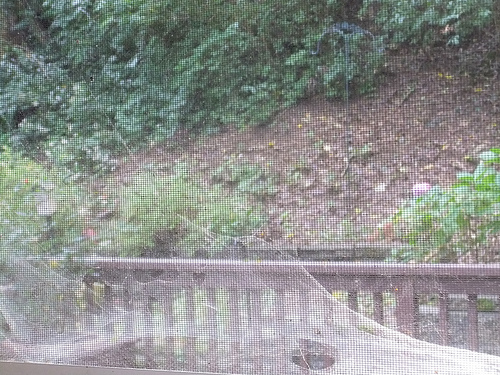
I took this picture through my dining room window, screen and all.

It’s not a Halloween decoration.

In my defense (and theirs), I will say that we have NO other bugs at my house. But spiders? Oh, we has them.

Here are your links.

Little kids playing Metallica = awesome. Watch this video and note that while there doesn’t seem to be a bass player, there are three guitar players, one of whom is playing left-handed, and the kid who gets the solo is a chick. Sweet! They’re all like ten years old. For my money, the singer who can’t say his R‘s yet makes it real. (Thanks for the link, Mike!)

Amy Stevens lives in Joplin, MO and was on the front line of this summer’s devastating tornado. What the hell does an ant have to do with surviving a tragedy? At her blog Life From The Trenches she tells you, in a most excellent way.

My friend Amy Neswald has gone back out on the road with a show. She’s dating her way across the country and blogging about it. On her blog 50 dates in 50 states she lays out the rules. This is going to be a fun one to follow.

Elena Aitken wrote a short story about best friends and breast cancer and I downloaded it for ninety-nine cents and read it at work, and then I got all weepy and had to pretend like I got hot sauce in my eye. It’s called Betty and Veronica and you should get it.

Okay. This link. My husband came across it on a website that I can’t mention by name because anyone who knows me knows that I don’t swear, and there’s profanity in the title of the website. HA! I even made my own self laugh there for a minute. It’s a good site with lots of links to a wide range of topics, plus pictures of naked women. THIS LINK CONTAINS NO NAKED WOMEN! The link is to a collection of terrible similes, metaphors, and analogies submitted by teachers, from actual papers they have had to grade, and it cracked me the hell heck up. Here’s a teaser from it: “His thoughts tumbled in his head, making and breaking alliances like underpants in a dryer without Cling Free.”

Do you have an awesomely bad metaphor you’d like to add to the list? Happy Sunday!